

Winnow saving US$100 million in food waste per year for hotels
Hospitality groups including Accor, Marriott, Marriott and Mandarin Oriental are now saving more than US$100 million a year by cutting food waste using AI-powered kitchen technology from Winnow. Olivia Palamountain reports
Food waste remains one of hospitality’s most entrenched challenges. Globally, it is estimated to represent around US$1 trillion in economic loss each year, with US$147 billion attributed to surplus food in the US foodservice sector alone, according to data from UNEP and ReFED.
A growing number of hospitality operators are now turning to technology to address the problem. Kitchens using AI-powered food waste tracking from Winnow are collectively saving more than US$100 million a year by cutting waste across their operations. The milestone brings together major global brands including Hilton, Accor, Marriott, Mandarin Oriental and IKEA, and highlights how food waste is becoming both a cost and sustainability priority for the sector.
Winnow’s stated aim is to help the hospitality industry recover US$1 billion of this lost value by giving chefs clear, actionable data on what food is being wasted, when it happens and why.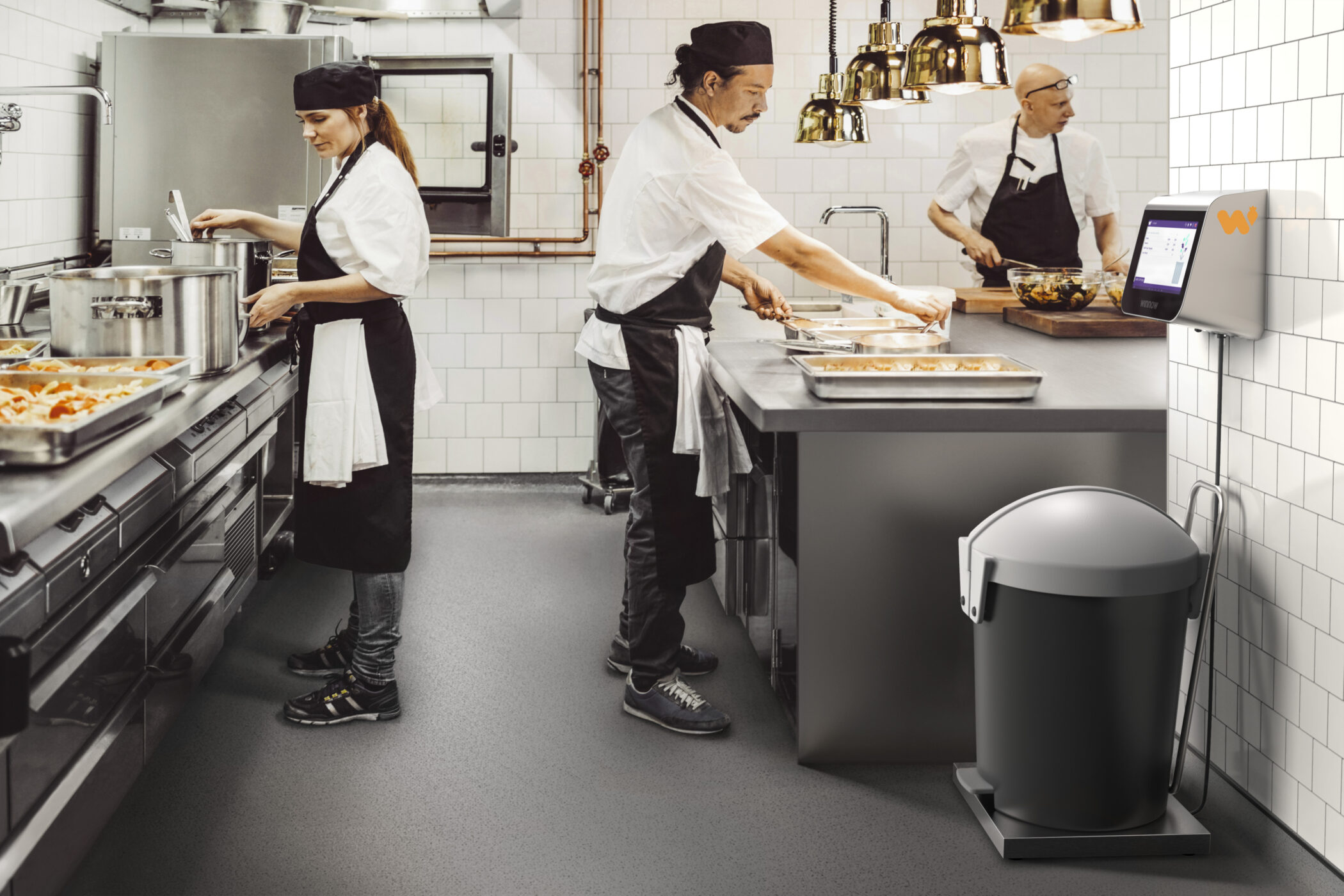 Founded in the UK in 2013, Winnow provides commercial kitchens with connected hardware and artificial intelligence that tracks discarded food in real time. The system records what food is thrown away, when it happens and the reason behind it, allowing kitchen teams to adjust production, improve processes and reduce over-ordering. Winnow’s technology is now used in thousands of kitchens across almost 100 countries. Its latest product, Throw & Go, allows food waste to be recorded without touching a screen, making measurement quicker in busy, high-volume kitchens.

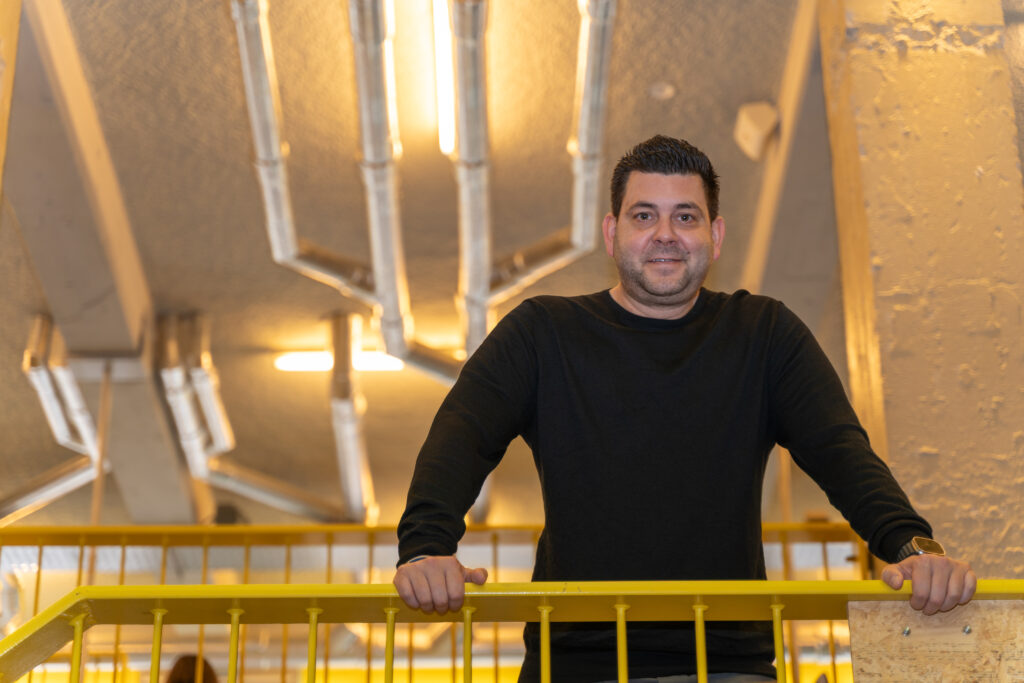
Marc Zornes, CEO and co-founder of Winnow, says: “This milestone is a tribute to the chefs who are making food waste reduction part of their daily craft. They are the ones designing menus, rethinking processes, and leading their teams to cook more consciously. Our role is to give them the data to make that easier.”
Since 2024, Winnow has also worked with zero-waste specialist Chef Vojtech Vegh to encourage chefs to see food waste prevention as a creative opportunity rather than a purely operational task. The collaboration focuses on raising awareness and sharing practical ways to repurpose surplus ingredients, reflecting a wider cultural shift in professional kitchens.
Several global hospitality groups are already reporting measurable results. Hilton’s Green Ramadan 2025 initiative reduced plate waste by 26% across 45 hotels in 14 countries, supported by Winnow’s technology and resources developed with UNEP West Asia. Accor now has more than 200 hotels using Winnow worldwide, collectively saving the equivalent of one meal every six seconds.
In the US, foodservice provider Guckenheimer announced in 2025 that it had reduced food waste by 64% across its sites since 2022, saving almost one million meals a year. Mandarin Oriental reduced food waste by 36% in four pilot hotels within the first six months of installing Winnow and is now rolling the technology out across its portfolio of more than 40 hotels.
Emma Banks, Hilton’s vice president of food and drink strategy and development for EMEA, says: “Reducing food waste is both a moral imperative and a strategic opportunity for our industry. Through our partnership with Winnow, we’re empowering our chefs with the insights they need to reduce waste and lead change in kitchens around the world. These chefs are preventing 4.7M meals from being wasted each year.”
Coline Pont, chief sustainability officer at Accor, adds: “At Accor, reducing food waste is a key lever in our journey towards more sustainable hospitality. Through our collaboration with Winnow, we empower our chefs with data-driven insights to make conscious decisions every day. Already, more than 200 of our hotels are equipped with Winnow technology, helping us prevent thousands of meals from being wasted and reinforcing our commitment to responsible operations across the globe.”
In total, kitchens using Winnow are now preventing 28,000 tonnes of food from being wasted each year, equivalent to two meals saved every second. This reduction is estimated to avoid more than 122,000 tonnes of CO₂e emissions annually, comparable to taking 28,000 cars off the road for a year, based on figures from the US Environmental Protection Agency.
Rising food prices and new regulation are accelerating change. The EU has proposed binding targets to cut food waste by 2030, aligned with the global goal to halve per-capita food waste. In Spain, legislation passed in April 2025 requires hospitality businesses to implement food waste prevention plans, with enforcement starting in 2026. Measurement is increasingly seen as a baseline requirement for compliance as well as a route to cost savings. Winnow’s data shows that while most commercial kitchens waste between 5% and 15% of food purchased, reductions after measurement are typically over 50%.
The US$100 million milestone represents progress towards Winnow’s longer-term goal of helping the hospitality industry prevent US$1 billion in food waste every year, underlining how chef-led action, supported by data, can deliver rapid financial and environmental impact.