

Jamaica’s Director of Tourism on the island's climate-resilient future
As Jamaica recovers from one of the strongest hurricanes ever recorded, Globetrender asks the island nation's Director of Tourism Donovan White which measures are being taken to safeguard the industry's future in the face of an increasingly hostile climate. Robbie Hodges reports
Rebounding from climate disasters is second nature to Jamaica. In the 2020’s alone, so far Elsa, Grace, Ian, Beryl, Rafael and Catherine have all blasted ashore to varying degrees of severity. But the intensity is growing. Storm Melissa, which struck in October 2025, was the second strongest hurricane ever recorded in human history – tearing through beach-side hotels and tourist hubs with winds of up to 175 mph.
But among the debris, an opportunity emerges for Jamaica to define itself as a model of climate-resilient tourism; setting a blueprint that the world might follow. Because while Jamaica’s tourism sector currently finds itself steadying in the wake of a major climate disaster, the well-known trajectory of the climate crisis indicates that tremors are due to hit destinations the world over. And soon.
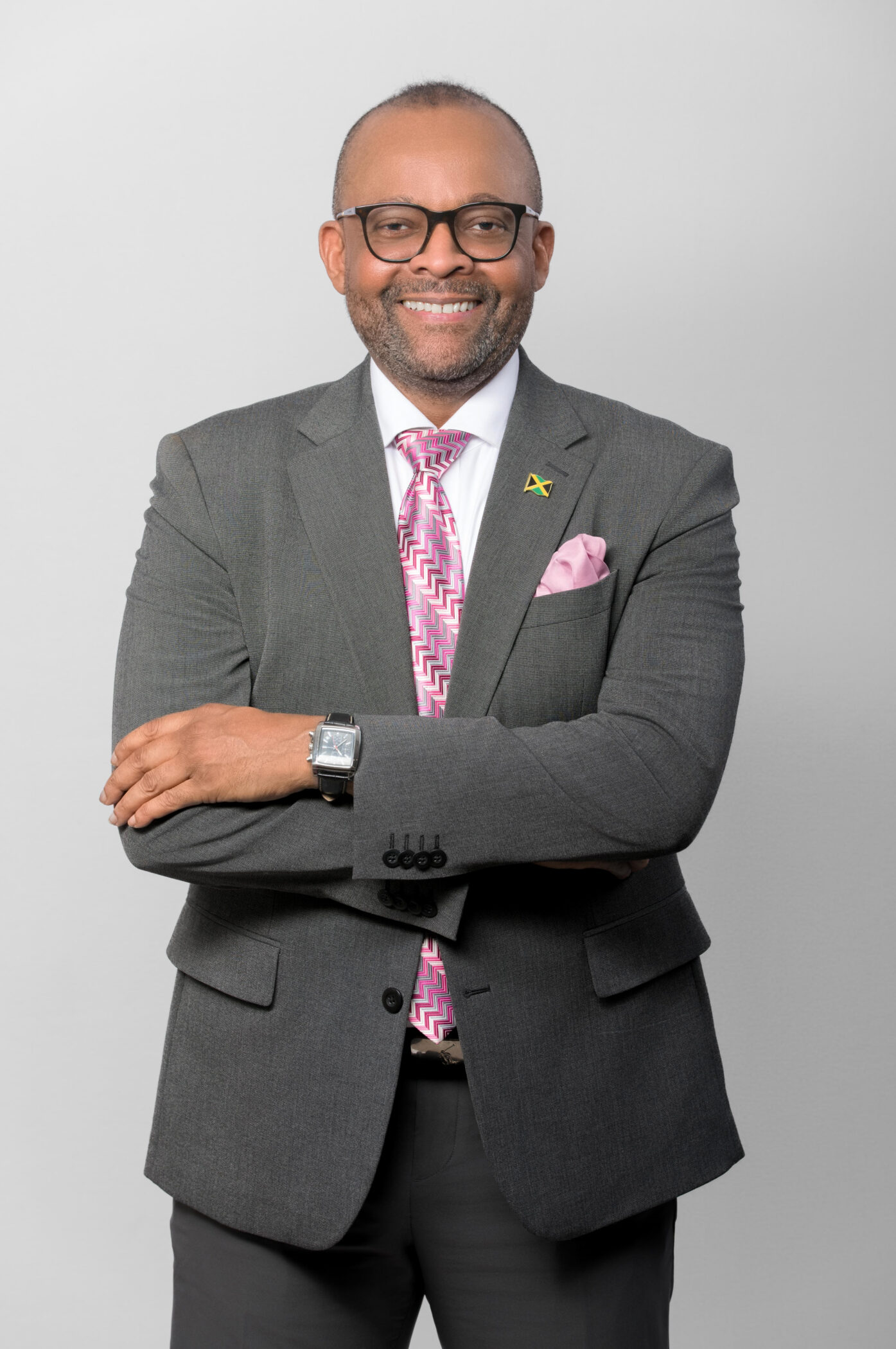
As the island nation starts its long journey of rebuilding, Jamaica’s Director of Tourism, Donovan White, reflects on the path forward.

What lessons would you give to destinations that perhaps aren't being affected by extreme weather right now but are likely to be a decade from now?
The [weather] systems are getting far more aggressive, far more ferocious. How we designed and constructed infrastructure 20 or 30 or 100 years ago just is not resistant to the levels and forces of nature today. Melissa had sustained winds of 185 miles an hour, and gusts of up to 250 miles an hour. Imagine that kind of speed sustained for eight and a half hours going across foliage, light poles. Housing, roofs – not to mention the impact on communities and their livelihoods.
So the questions we need to ask are: how can we build better? How can we build stronger? How can we put more predetermined response systems in place so we can be more reactive to the most needy? One of the benefits that Jamaica had post-Melissa is our relationships and allies around the world came to our aid very quickly and in abundance.
Our disaster preparedness agency is well underway with documenting quite a few of those learnings that we will share with our Caribbean neighbours’ emergency management units as well, so that, as a region, we continue to grow and be more resilient.
Given its reliance on high-emissions air travel, is Jamaica ready to rethink tourism growth and volume-driven strategies?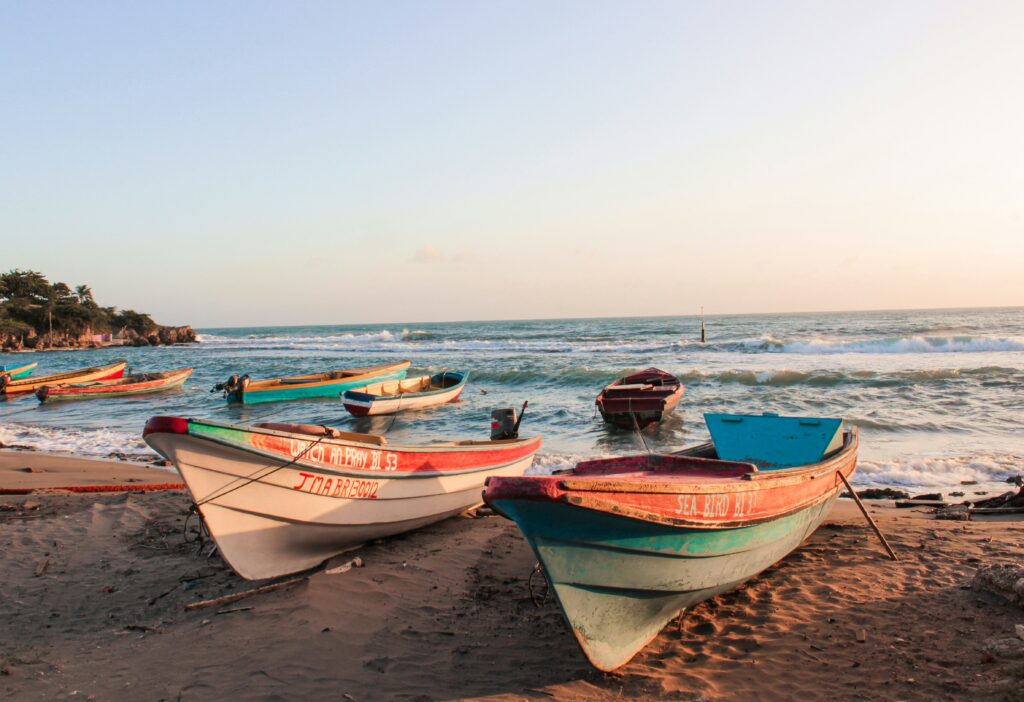
Travel is one the oldest vocations that people do around the world, and it has only gotten bigger and broader as the world gets more connected. More people are travelling and have access to travel. And it’s not necessarily about Jamaica or any other destination creating an opportunity. It’s more about the innate will of travellers who want to experience different parts of the world. The Caribbean happens to be one of the most beautiful places in the world that most travellers want to visit at least once in their lifetime.
To say to them don't go because of A, B or C reasons that have to do with how we've evolved through time is a little bit of a stretch. Through time there have been different points of our evolution. There are different forces that seem to have changed the world, but haven’t changed travel. In fact, travel only intensified because of these things.
I don't think that there is going to be a position of trying to change the minds of a discerning traveler who wants to go long haul from wherever they are in the world to the Caribbean or to Jamaica because of emission standards. There are other ways of managing that. One of the things technology has taught us is that a lot of our emission standards can be managed with different mechanisms – with advancements in aircraft fuel technology, for example.
Rather than saying to a discerning traveler who has the will, the affordability, and the want to travel, “don't travel because technology hasn't caught up with what you want to do,” I think we have to push the developers of technology and the entrepreneurs at the high end of the business of travel to implement these technologies.
What specific steps are being taken to build more resilience for the people affected by Storm Melissa?
We're still less than 90 days from the hurricane so there's still a lot of planning and a lot of strategizing happening at the central government level and at the policy makers level. Our prime Minister the right Honorable Andrew Holness has indicated in very clear words that we will not just rebuild for rebuilding sake. We're gonna rebuild with purpose. We're gonna rebuild with better building codes. We have to respect what nature has presented to us.
And you can’t build for category three storms when you’re facing category fives. Because then you’re just in a cycle of rebuilding every single year or every so often. The government has managed the economy extremely well over the last 10 years to ensure that we're in a position of strength from which to work from. That gives us an opportunity to present a new Jamaica, in terms of how we will look and feel from an infrastructure perspective, but also how we will present ourselves as a resilient nation against a number of possible types of shocks that could tear the economy apart in no time.
And what might that vision of Jamaica post-rebuild look like? Will we see Jamaica diversify away from beach tourism?
What I do know is that we are serious about building a new Jamaica. We're serious about ensuring that the Jamaica we build is to the benefit of every Jamaican living in Jamaica. If that means changing building codes and plans to be more inland and off the coast, you'll still have your resorts from a tourist perspective that are going to be beach-based. But a lot of your supporting infrastructure like your attractions and so on are already being built inland off the coast.
We’re being very thoughtful about this and trying not to be hasty. When we do it, it should be done properly and to the benefit of every Jamaican.