

Black Tomato showcases 2026 travel trends
As it marks its 20th anniversary, Black Tomato has released its annual Future Fuel report, outlining the ideas, destinations – from Slovenia to the Atacama Desert – and cultural shifts shaping how travel will be defined in 2026. Olivia Palamountain reports
Black Tomato has released its "Future Fuel 2026" report, setting out the trends and destinations it believes will define travel in the year ahead. Released as the company celebrates its 20th anniversary, the report draws on first-hand research trips, client behaviour and wider cultural signals to map how travellers’ priorities are changing.
Co-founders Tom Marchant and James Merrett describe the report as a way to translate what the company has seen “on the ground” into practical insight. They position it not as a set of predictions, but as a guide to how people want to feel when they travel.
Future Fuel has become Black Tomato’s annual framework for understanding emerging travel motivations. The 2026 edition identifies nine trends and seven destinations, with a focus on emotional connection, environmental awareness and deeper engagement with place.

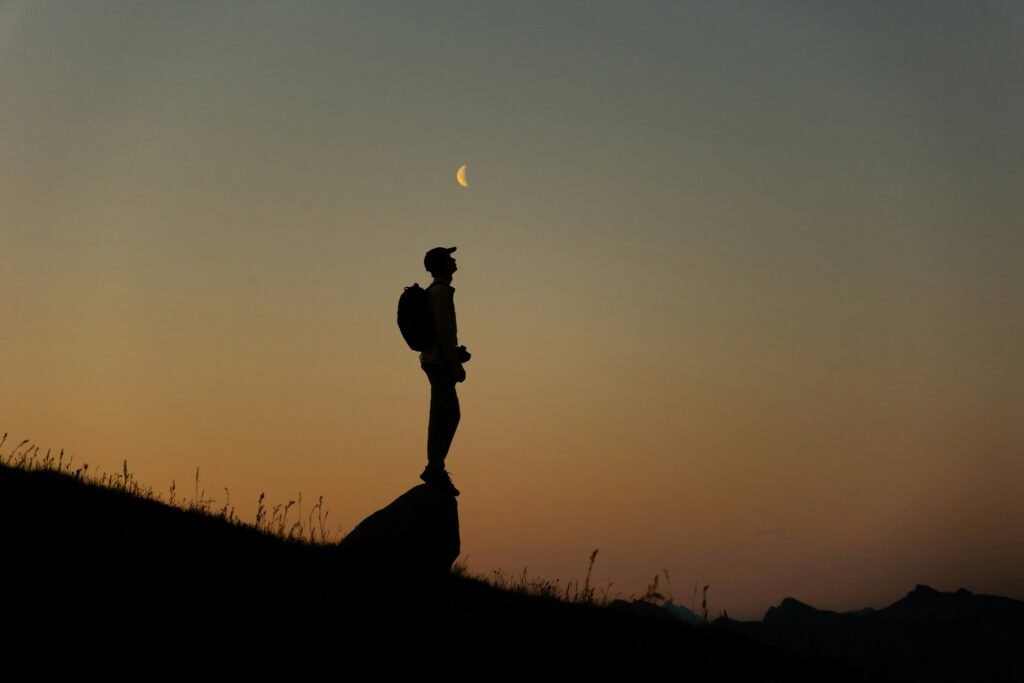
Cosmic Wandering For travellers who feel they’ve seen it all, the next frontier is overhead. As light pollution accelerates and global sky brightness increases by an estimated 7-10% each year, dark skies are becoming both rarer and more desirable. Destinations such as Chile’s Atacama Desert, Namibia’s NamibRand Reserve and Spain’s La Palma are emerging as modern pilgrimage sites, where astronomy, stillness and stewardship intersect. Astrotourism is also gaining economic traction, with DarkSky International now certifying more than 230 protected sites worldwide.
The Gift of Boredom
Once avoided, boredom is being rebranded as a luxury. As screen use among children continues to rise, families are increasingly valuing device-free time that allows curiosity and creativity to surface naturally. Long train journeys, slow landscapes and unstructured days are no longer gaps to be filled, but experiences in themselves – supported by research linking low stimulation to problem-solving and imagination.
Family Wellness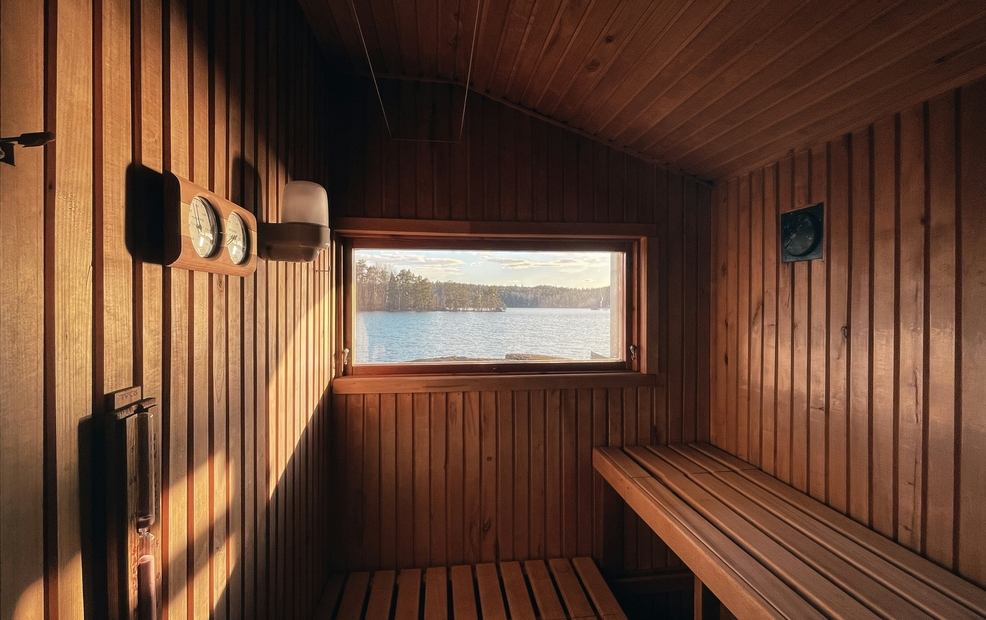 Wellness is shifting from solo optimisation to shared ritual. Families are seeking travel that helps reset habits around sleep, food, movement and emotional health – together. From sauna cycles in Scandinavia to onsen culture in Japan and star-led sleep resets in the Utah desert, the emphasis is on routines that can be carried home, reflecting a broader expansion of the wellness economy into family life.
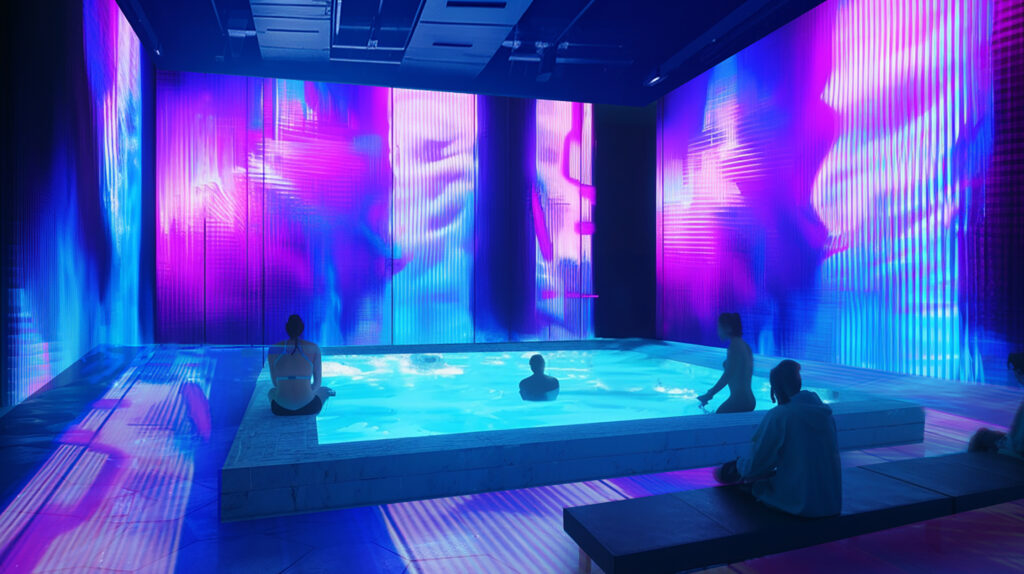
Wild Waterways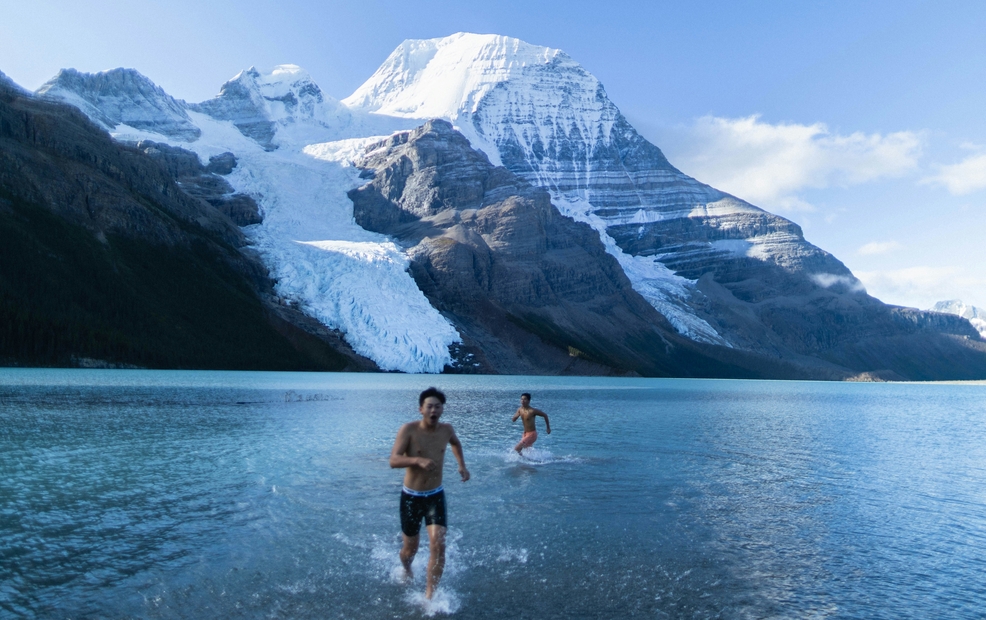 Wild swimming has evolved from niche pursuit to cultural ritual. Whether it’s floating in Denmark’s harbour baths, exploring Mexico’s cenotes or soaking in Iceland’s geothermal pools, water-based travel is increasingly about connection, not adrenaline. As cities reclaim rivers and coasts – Paris reopened Seine swimming zones in 2025 — access is expanding alongside calls for better stewardship.
The Cool Seekers
As southern Europe heats up, travellers are heading north and uphill. Europe’s “cool belt” – including Slovenia, Norway, Austria and Switzerland – offers natural temperature relief alongside strong design, culture and hospitality. With demand for coolcations rising, altitude, shoulder seasons and alpine living are becoming central to future summer travel.
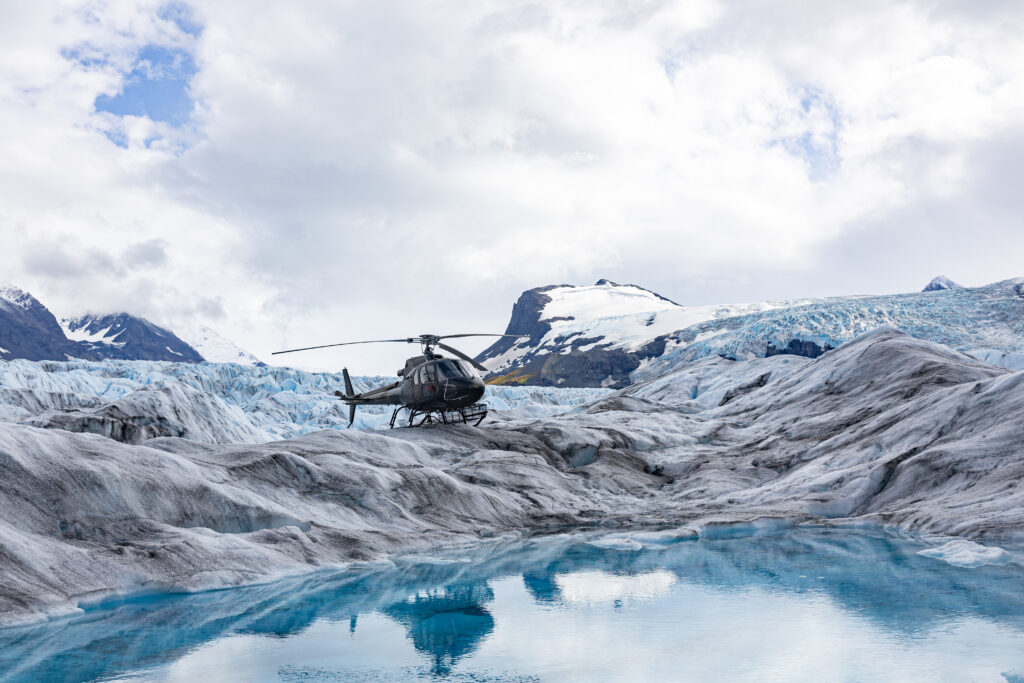
Humbling Horizons A counterpoint to achievement-driven travel, this trend centres on scale and perspective. Encounters with vast landscapes – glaciers, deserts, steppe and sacred valleys – are sought not for conquest, but for awe. Research suggests these experiences foster generosity, wellbeing and a sense of the “small self”, offering psychological reset through humility.
Humate™: Human + AI Synergy
AI is increasingly embedded in travel discovery and logistics, but Black Tomato argues that emotion, intuition and empathy remain irreplaceably human. Its concept of Humate™ positions AI as an enabler rather than a replacement – streamlining admin and insight so human expertise can focus on relationships, creativity and emotional intelligence.
Sonic Sanctuaries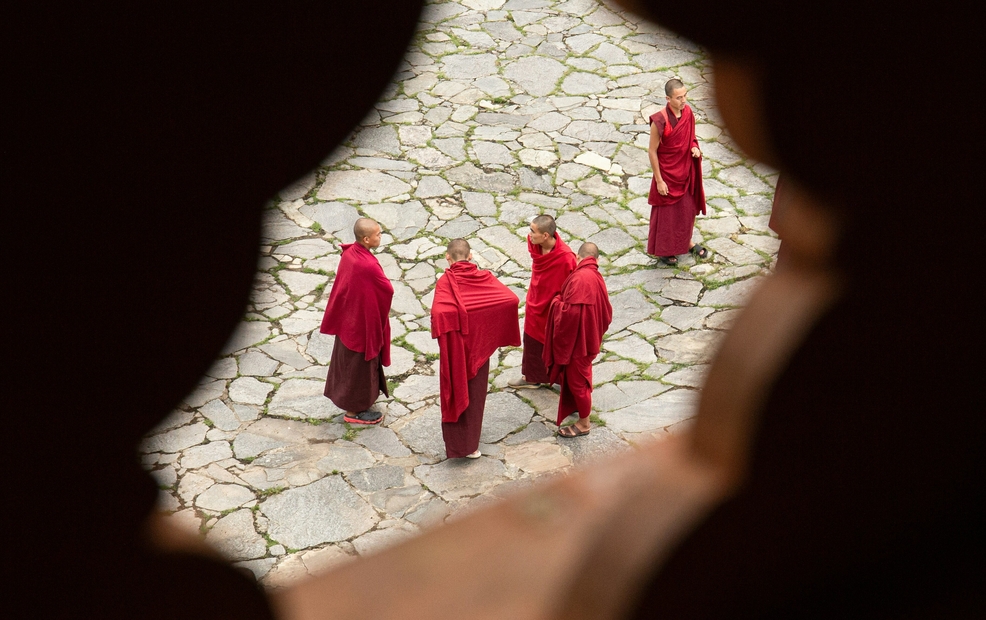 Sight is no longer the dominant sense. Travellers are seeking journeys shaped by sound: chanting monks, jungle soundscapes, call-to-prayer dawns and intentional silence. This sensory shift also reflects growing awareness of neurodiversity and noise sensitivity, with destinations increasingly designing for calm, control and acoustic refuge.
Proof of Purpose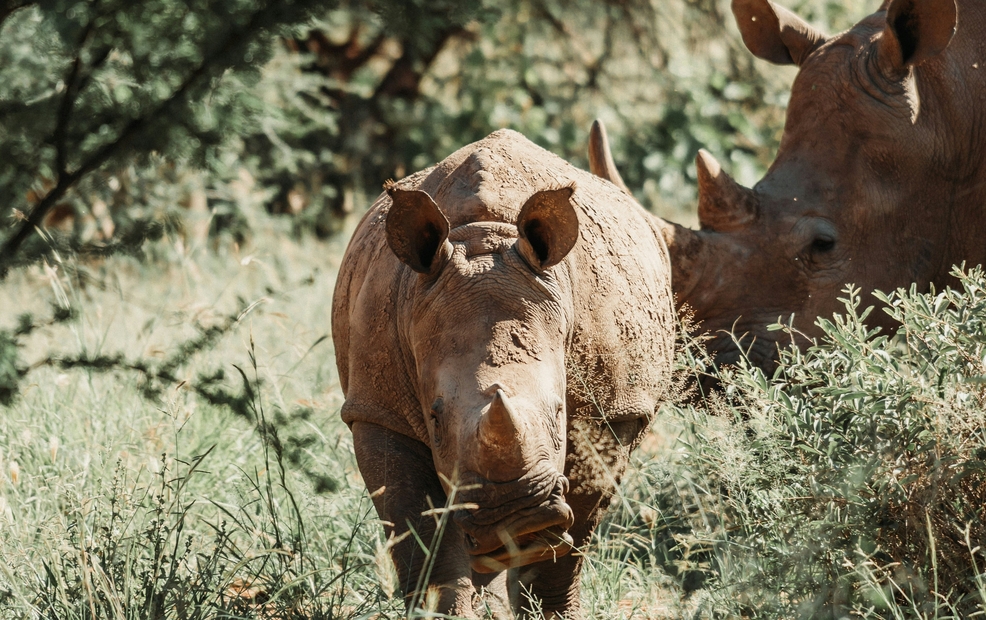 The dominant question is no longer “where?”, but “why?”. Travellers are looking for experiences that generate tangible benefits for communities and ecosystems, without sacrificing joy. Regenerative travel – from conservation work to cultural stewardship – is increasingly modular, locally led and designed to be meaningful without feeling obligatory.