

Wes Anderson exhibition shows how film worlds fuel travel dreams
As a major Wes Anderson exhibition opens at the Design Museum in London, it highlights how the director's films often centre on journeys and imagined places that inspire real-world travel. Jenny Southan reports
The Design Museum in London has unveiled a major retrospective dedicated to filmmaker Wes Anderson, bringing together more than 700 objects from across his career in the first UK exhibition of its kind. Titled Wes Anderson: The Archives, the show runs from November 21, 2025 to July 26, 2026 and traces his work from early short films to his most recent feature, The Phoenician Scheme.
The exhibition offers an unusually detailed look at how Anderson builds his film worlds, many of which are rooted in movement, travel and temporary places. Trains, hotels, ships, desert towns and far-flung regions appear repeatedly in his work, shaping stories that unfold through journeys rather than fixed locations. For travellers, these settings have become part of a visual language that encourages people to seek out similar places in the real world.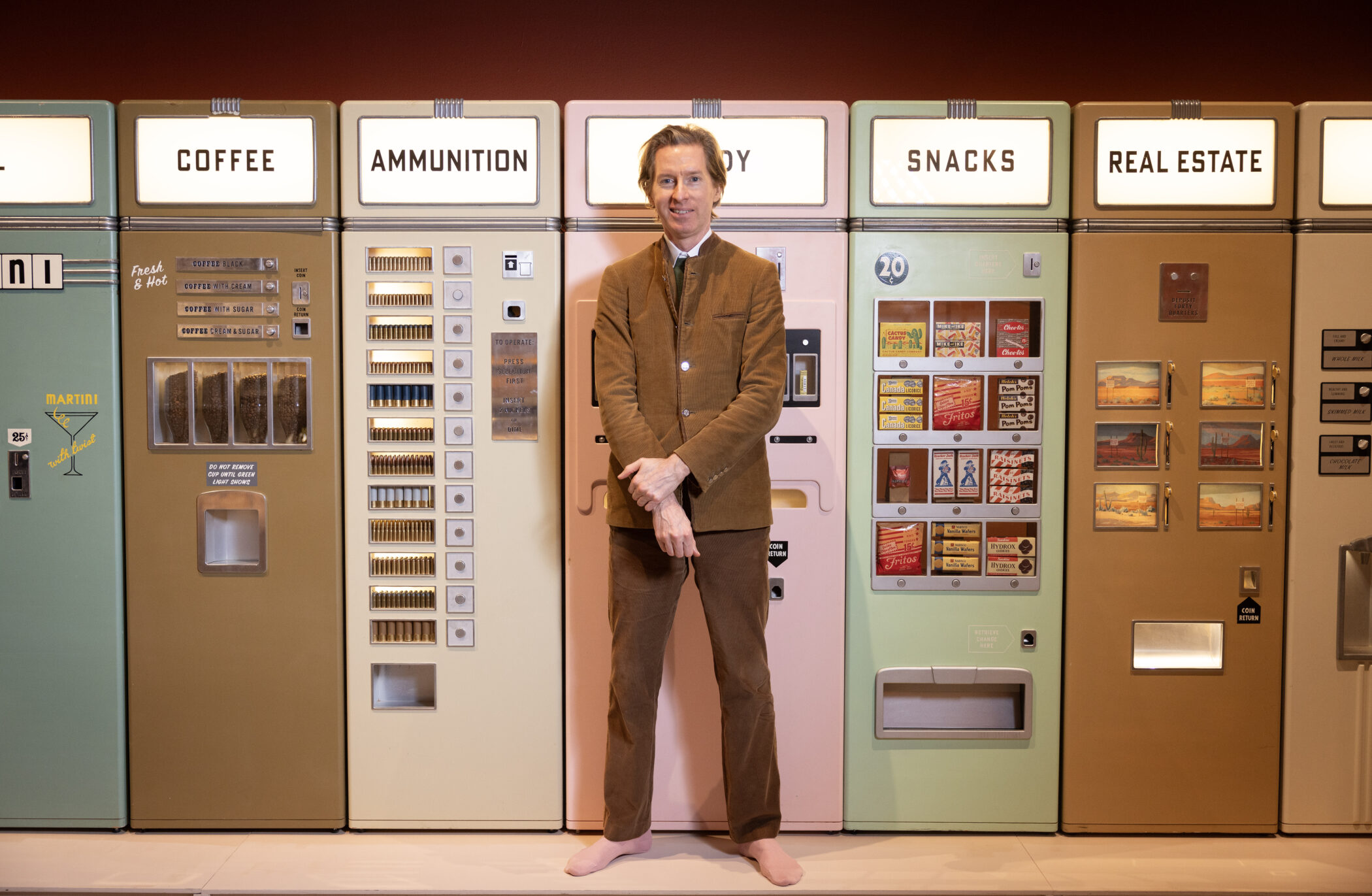
Over two dozen objects from The Phoenician Scheme, released in 2025, are on display, including a pipe made by Dunhill and a decorated dagger created by artist Harumi Klossowska de Rola. The film centres on a wealthy collector who moves between properties, businesses and countries, reinforcing Anderson’s recurring interest in characters who are always in transit. The curators say this focus on collecting and movement provides a fitting end point for the exhibition.

The show also includes three short films that place travel at the centre of their stories. These include Hotel Chevalier, which acts as a prologue to The Darjeeling Limited, a film built entirely around a train journey across India, and Castello Cavalcanti, set in an Italian village. Shown together for the first time in Britain, the films underline how Anderson uses travel as a way to explore relationships, identity and change.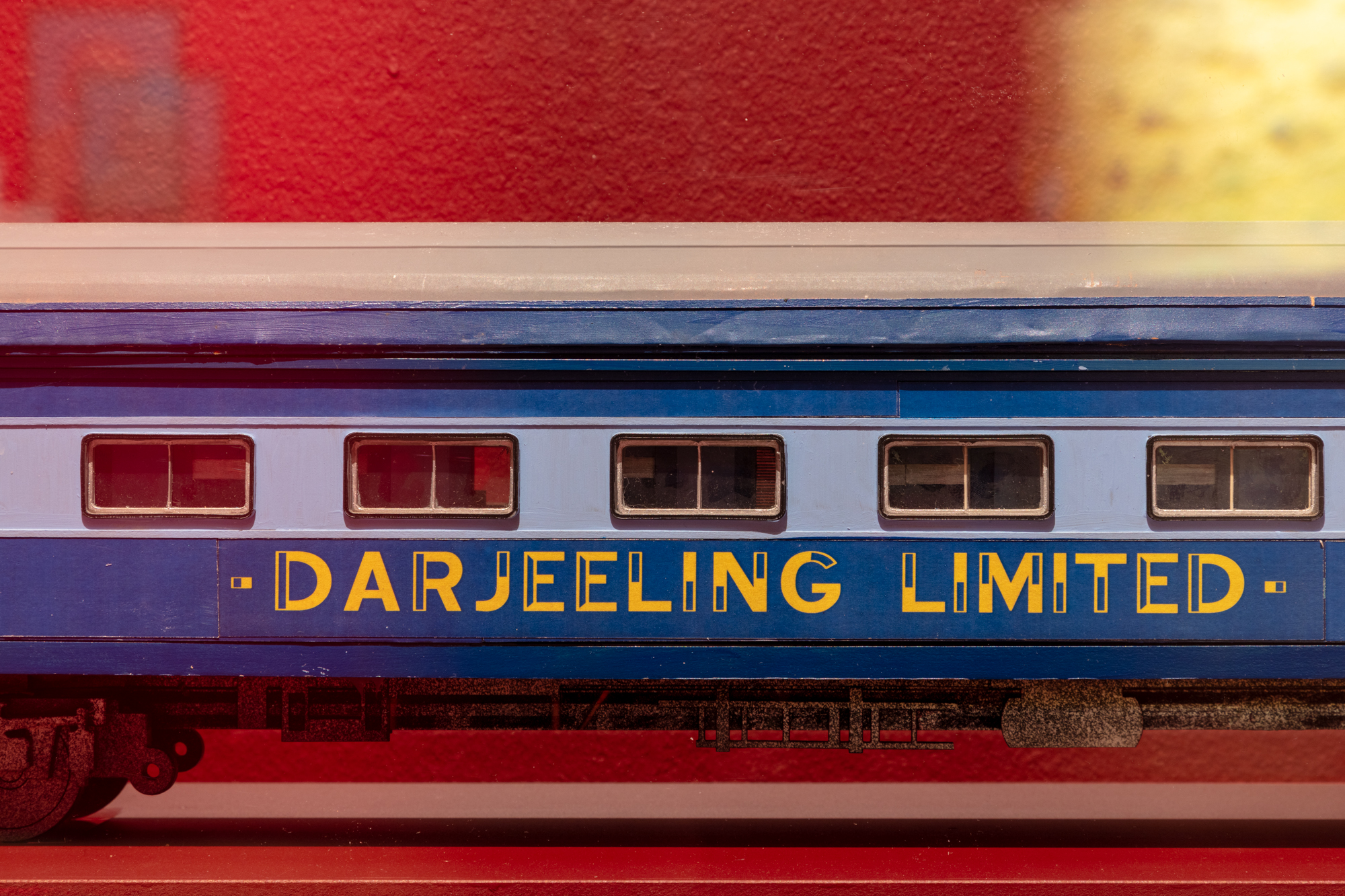

Throughout his career, Anderson has created fictional locations that feel specific enough to exist, even when they are entirely imagined. One of the exhibition’s largest objects is the three-metre-wide pink model of the Grand Budapest Hotel, built for the 2014 film of the same name. The hotel, perched in a mountainous European setting, has since inspired travellers to seek out similar historic hotels across Central and Eastern Europe, even though the building itself is fictional.
Other highlights include vending machines from Asteroid City, costumes from The Royal Tenenbaums and stop-motion puppets from The Life Aquatic with Steve Zissou. Each object reflects Anderson’s approach to making everything on screen feel tangible, as if it could be visited, used or stayed in. This attention to detail helps explain why his films often influence travel itineraries, with fans drawn to real places that echo his colour palettes, architecture and sense of symmetry.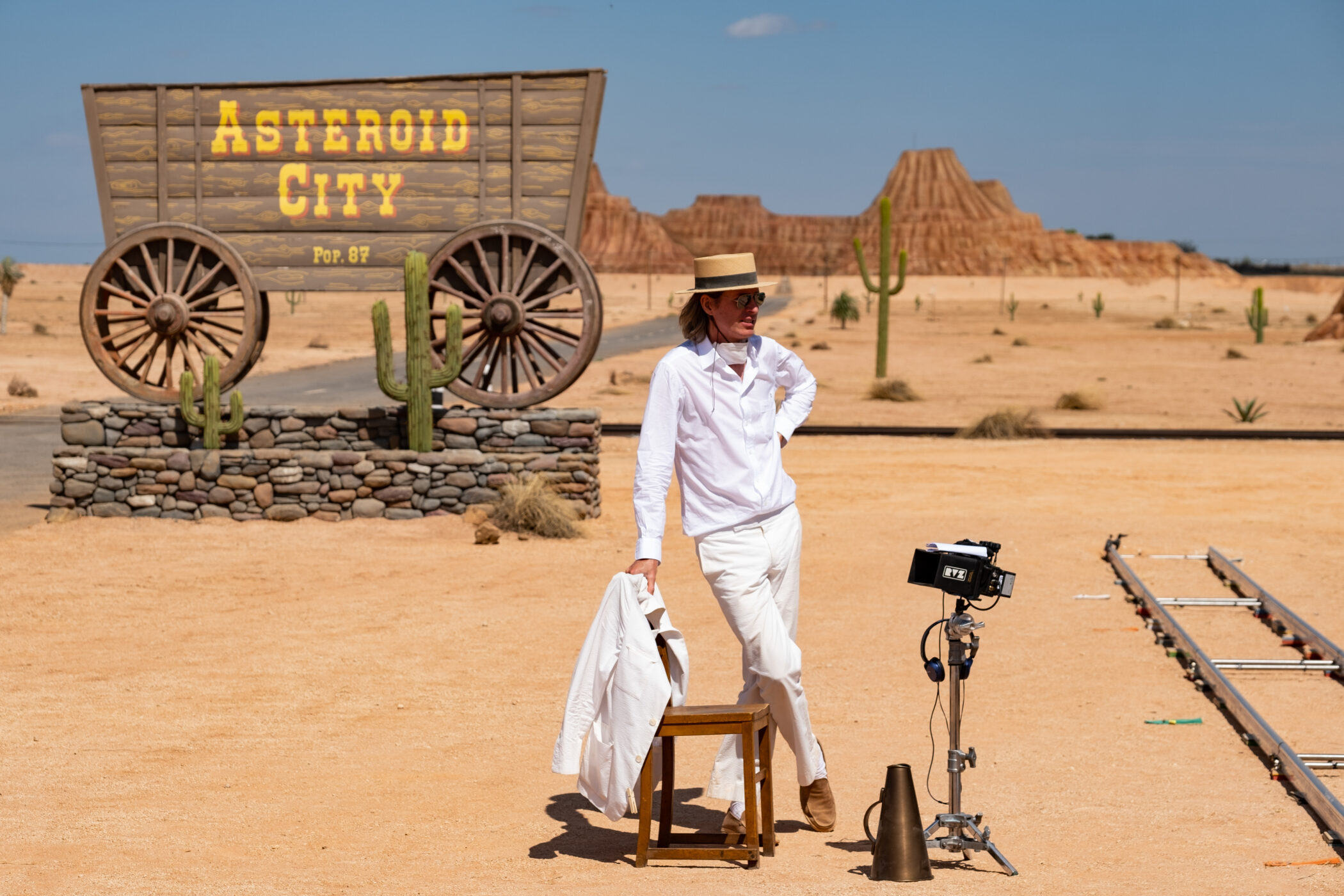
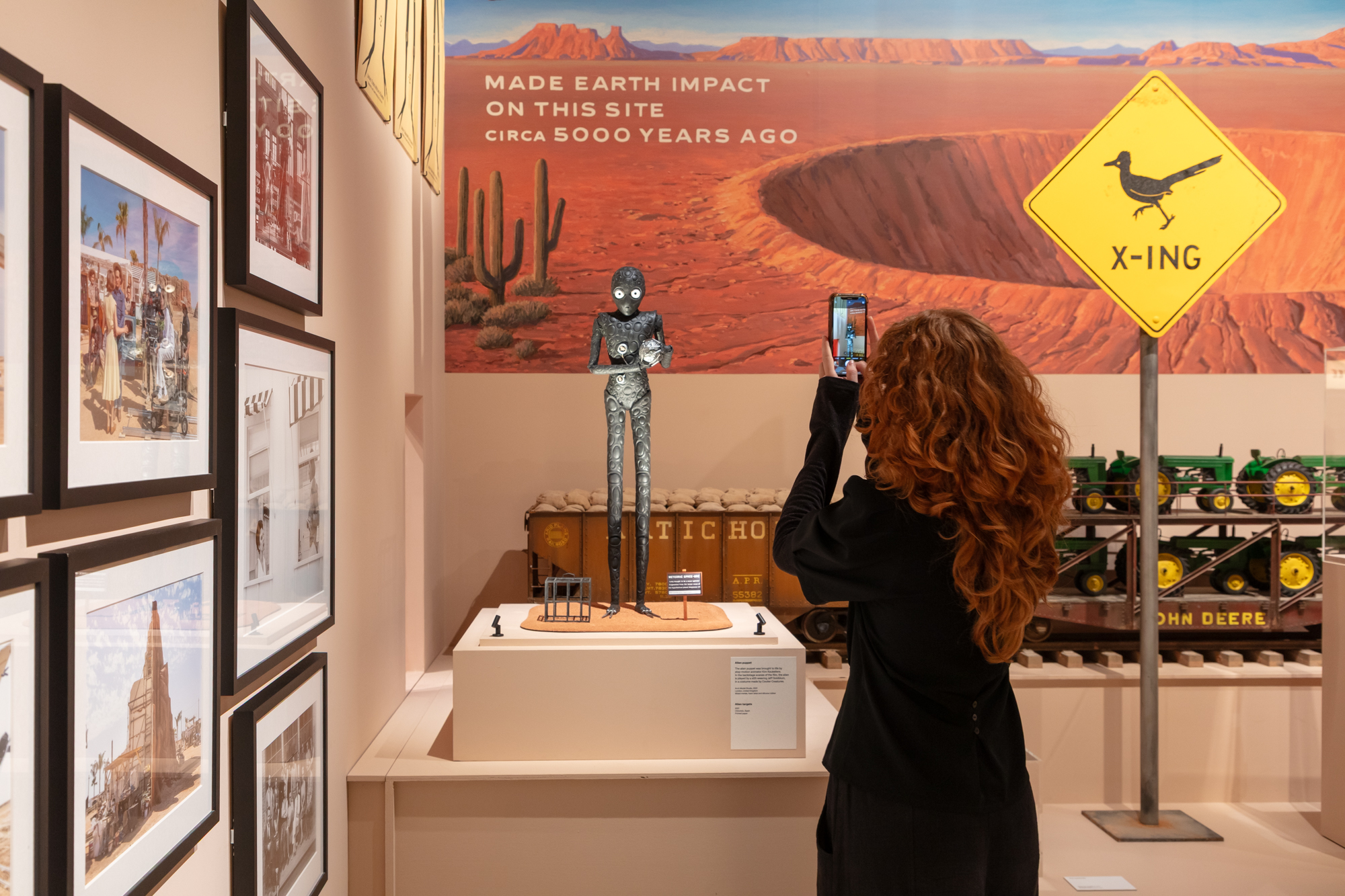 The exhibition is arranged chronologically, beginning with Bottle Rocket from 1996 and ending with Anderson’s Oscar-winning short The Wonderful Story of Henry Sugar from 2023. Along the way, visitors can see storyboards, sketches, notebooks and miniature sets that reveal how journeys are planned visually long before filming begins. Trains, maps and handwritten notes appear throughout, reinforcing travel as a structural part of his storytelling.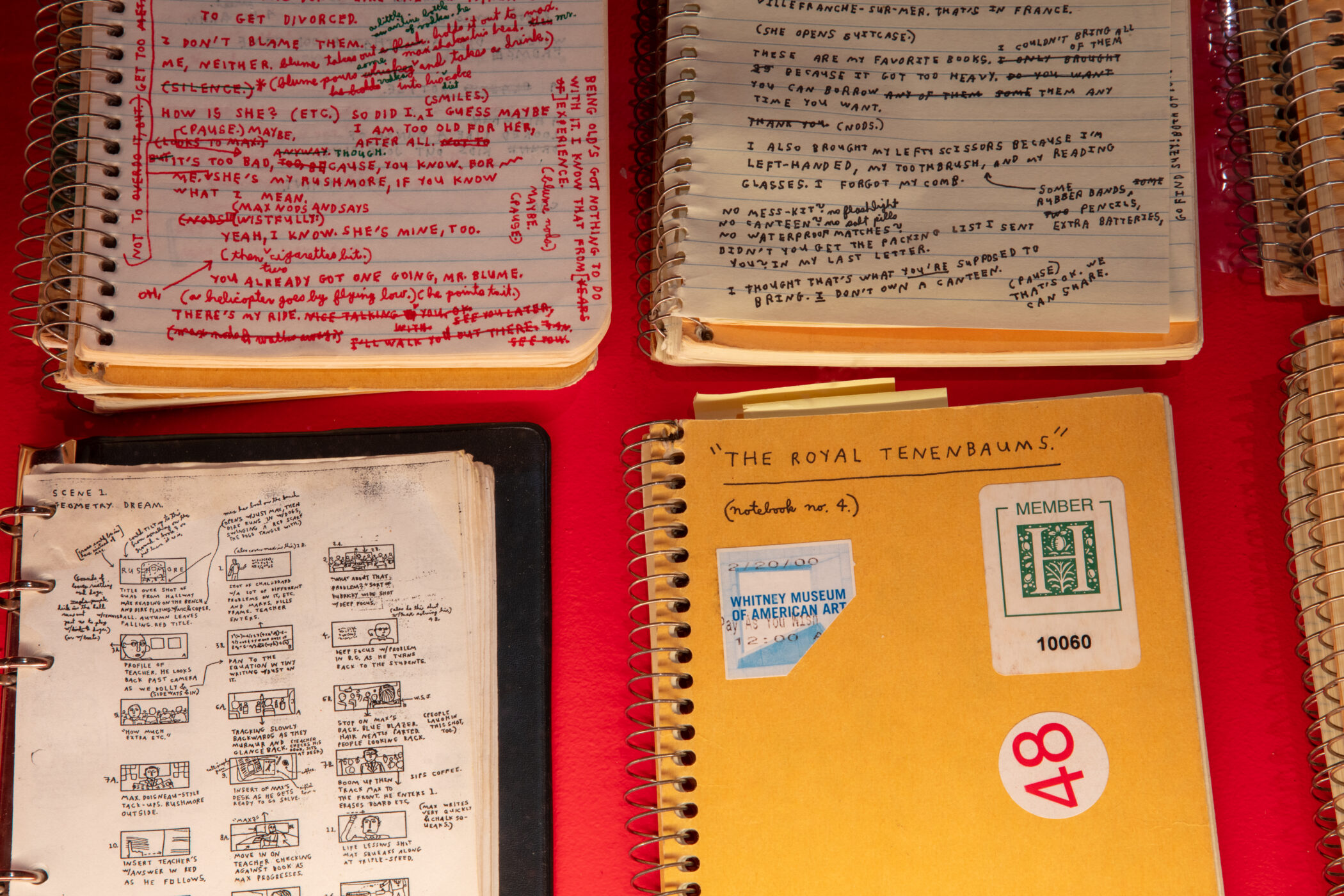
The Design Museum was granted full access to Anderson’s personal archive, which he has been building for nearly 30 years. After discovering that props from his first film were sold off, he began keeping everything made for subsequent productions. As a result, the exhibition includes objects that were previously stored away and rarely seen since filming ended.
Lucia Savi, head of curatorial and interpretation at the Design Museum, says: “Each Wes Anderson picture plunges the viewer into a world with its own codes, motifs, references, and with sumptuous and instantly recognisable sets and costumes. Every single object in a Wes Anderson film is very personal to him – they are not simply props, they are fully formed pieces of art and design that make his inventive worlds come to life.”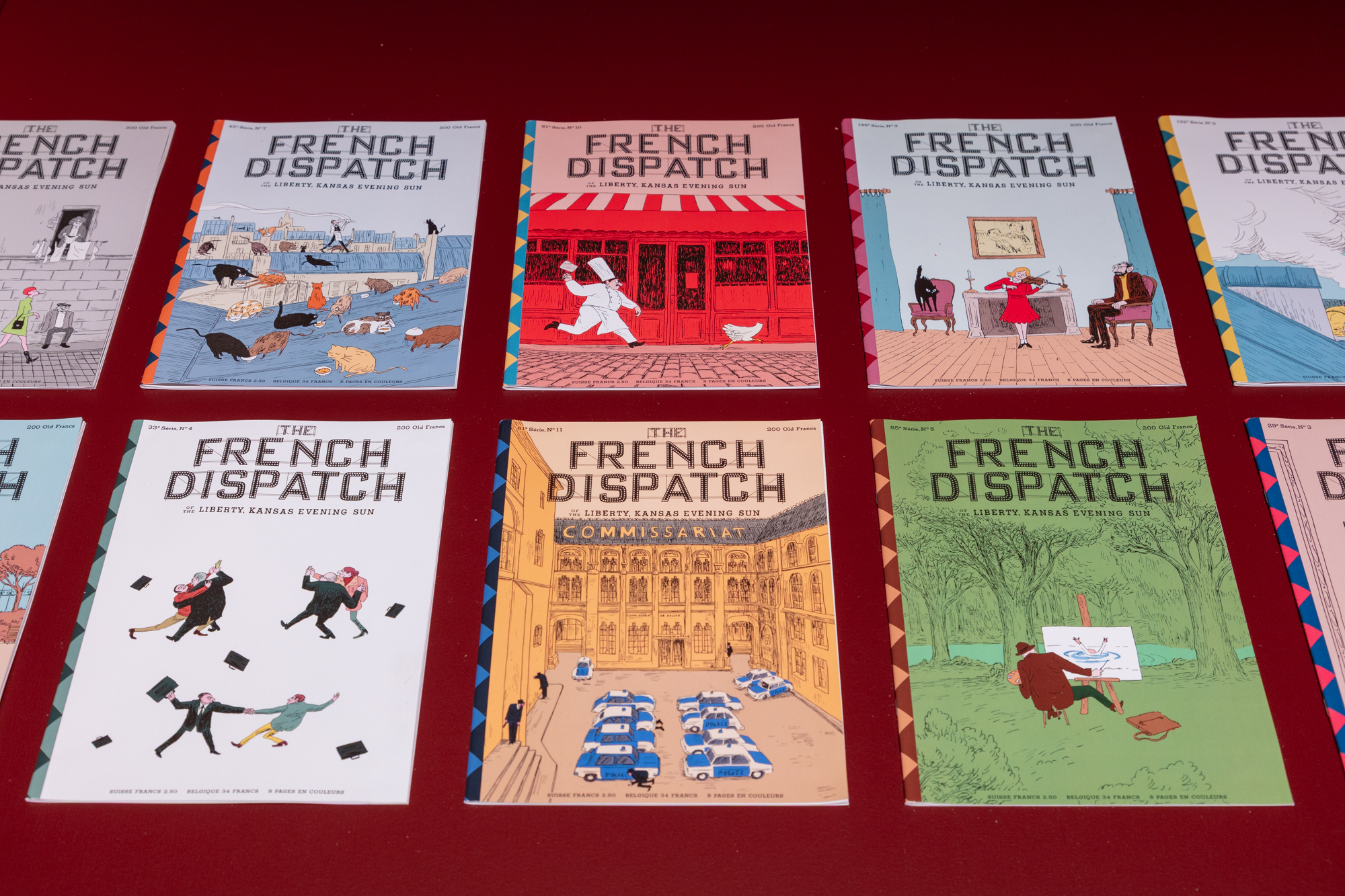
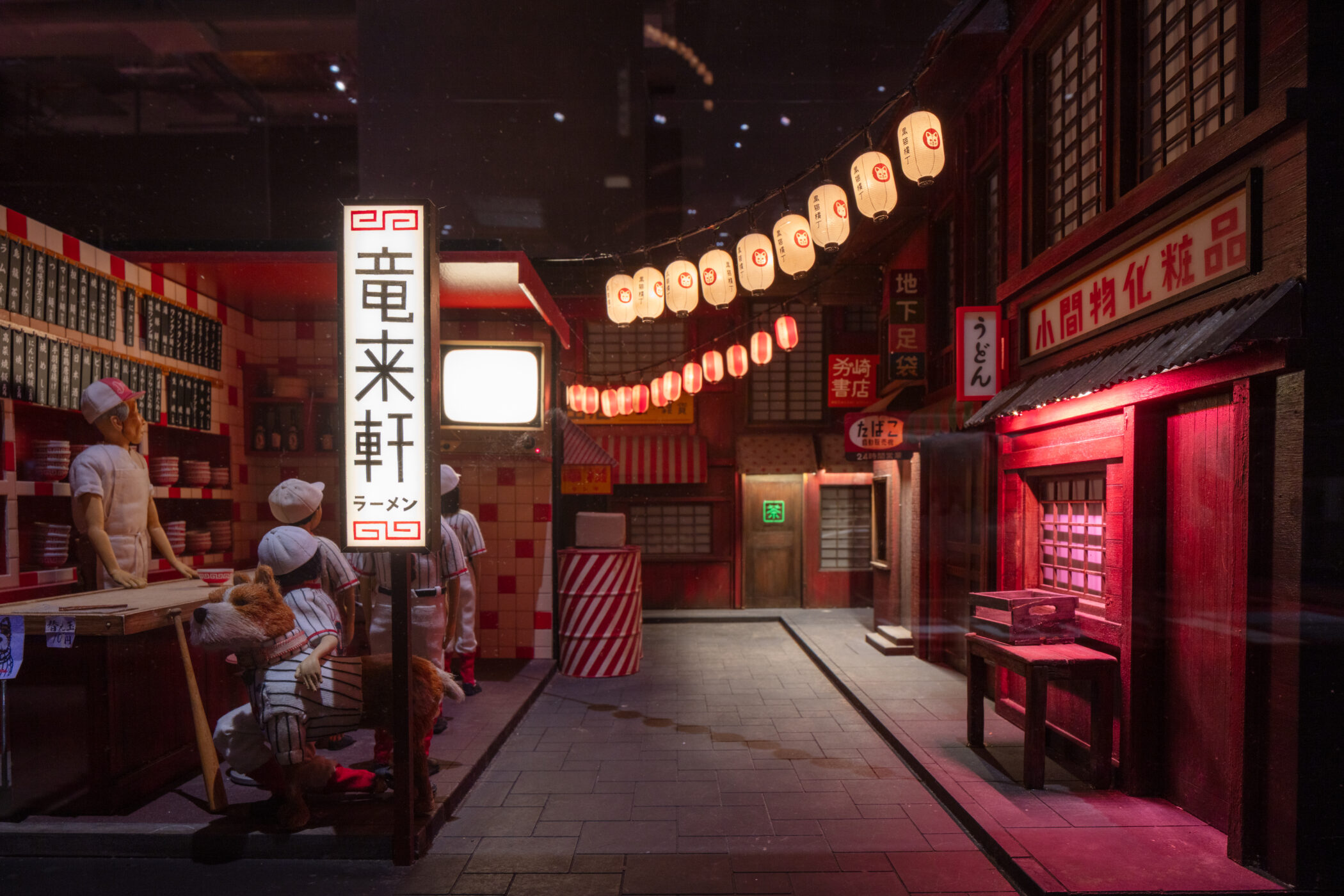
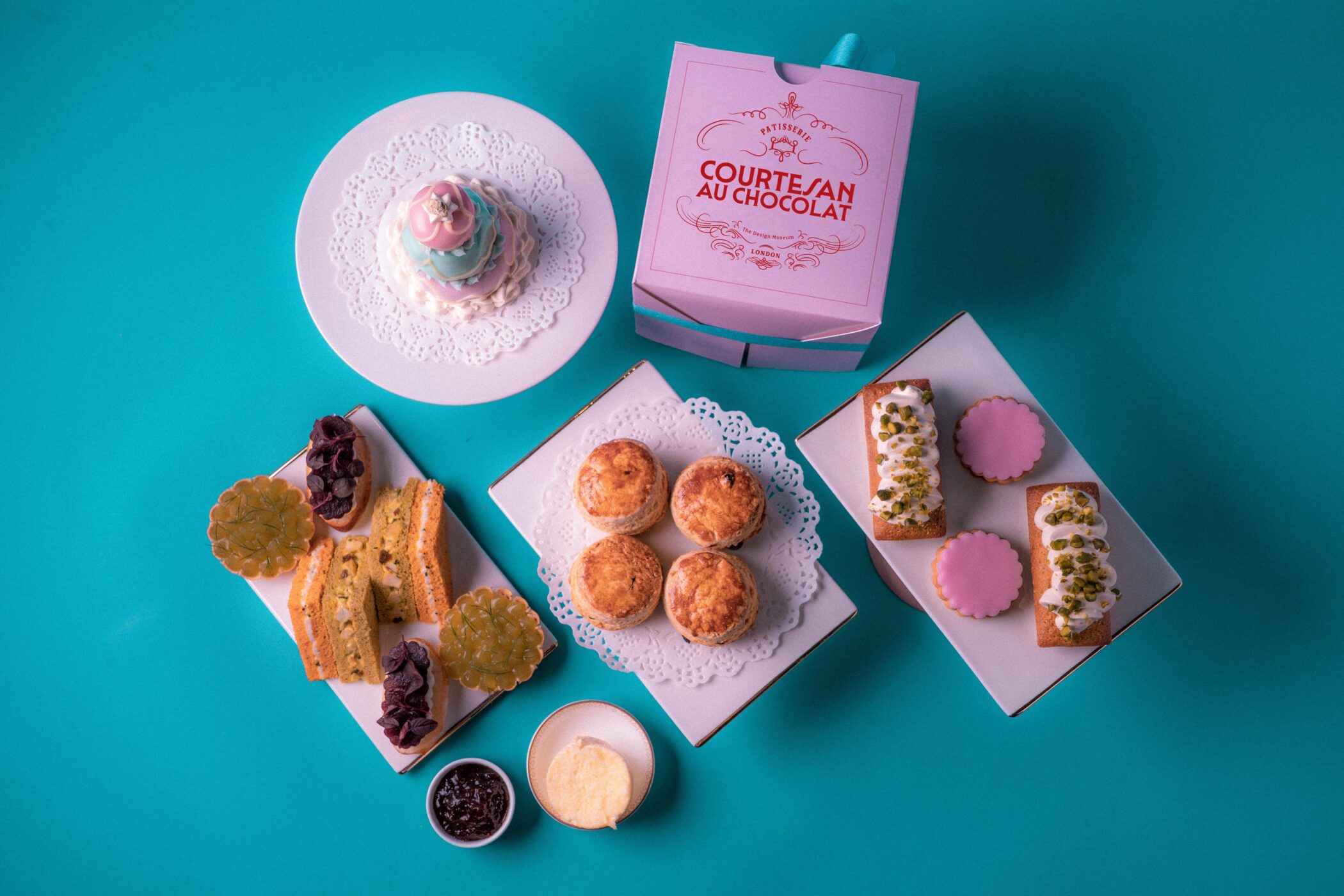
Johanna Agerman Ross, the museum’s chief curator, adds: “It is an absolute gift that even as a young film-maker Wes Anderson had the vision and foresight to save all his props and beautifully crafted objects for his own archive. We are thrilled to be the first to fully dive into the archive’s full riches.” Visitors can even finish with a wes Anderson-inspired afternoon tea.
The exhibition arrives at a time when film-inspired travel continues to shape destination interest, from hotel stays linked to movie settings to railway journeys that mirror famous on-screen routes. By showing how Anderson constructs places that feel both familiar and fictional, Wes Anderson: The Archives offers insight into why his films resonate so strongly with travellers looking for experiences shaped by story as much as geography.