

Beautiful Destinations founder on the future of travel influencers
Beautiful Destinations founder and CEO Jeremy Jauncey speaks to Globetrender about training travel content creators, the role of digital wanderlust and the unexpected rise of longform storytelling.
What macro shifts in traveller behaviour do you believe will shape the next decade of tourism, and how is the Beautiful Destinations Academy preparing creators to anticipate them?
"We’ve seen the bucket-list thing fading away, because younger travellers especially aren't interested in ticking off places anymore. They are looking for slower stays and authentic cultural experiences, so they feel they have actually learnt something, and connected with a destination, not just passed through.
"That's what we help train at the Beautiful Destinations Academy, powered by Dubai (BD Academy). Alongside the technical skills and social media expertise, it is about understanding and benefitting the culture, not just filming it. So, we work with local community experts, business owners and government organisations in Dubai, to develop work that is culturally respectful, authentic and positively impacts the destinations we visit and promote.
"At the same time luxury travel is booming. We’re lucky to have a front row seat to this as Dubai continues to raise the bar for what modern luxury travel looks like. There is real excitement in our industry for what is coming online over the next few years. So, I think we can expect to see macro shifts towards providing more luxurious and personalized experiences –not just in the luxury sector, but across the industry as a whole – as the bar is continuously raised."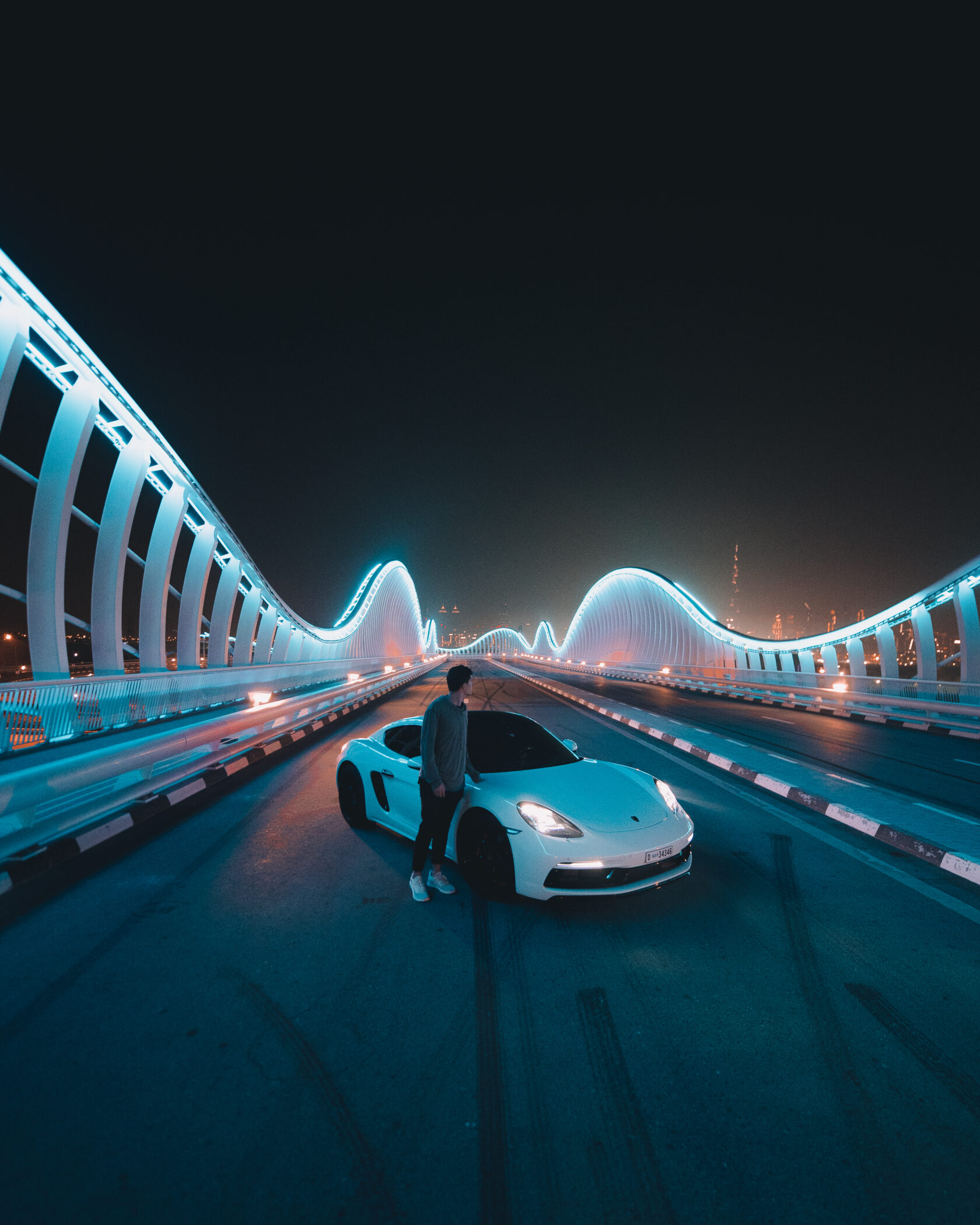

As AI, AR and mixed-reality experiences evolve, what role do you think digital wanderlust will play in inspiring future travel decisions?
"Digital wanderlust is, of course, nothing new – we have just seen the tools and methods available develop at great speed over recent years. So yes, digital wanderlust will continue to play a huge role in future travel decisions – because it is the initial trigger that leads to travel decisions, but travellers now expect more before they commit.
"AI now speeds up the travel planning process and can tailor itineraries better than ever before. AR inspires and can drive bookings with immersive previews of hotels and destinations. And social media and social search are now more important than ever because they no longer provide just the dream of travel but the inspiration, information and tools to actively plan and book your trips.
"So, we need to account for all these new demands of smart travellers. But when it comes to creating the content that fuels these platforms and drives intent, nothing will replace actually being there for us – because it is the on the ground experiences and authentic stories our creators make that capture the imagination and inspire travellers at the very start of their travel planning journey."
Gen Z and Gen Alpha are emerging as purpose-driven travellers – how should destinations adapt their storytelling to resonate with these next-gen audiences?
"You definitely cannot market to Gen Z or Gen Alpha in the traditional ways. They see through inauthenticity straight away and reject slogans and calls to action. They want honesty and real voices. Local perspectives rather than hyperbolic marketing. And they don't want to feel like a tourist being processed through a purchase funnel. They want to feel like they're part of something.
"So, destinations need to collaborate with creators and communities who truly understand these audiences – because they often are these audiences – not broadcast messages at them. At the BD Academy, we train creators to build genuine trust through the stories they tell. Because with this generation, if they don't trust you, they will reject you.
"Dubai is a good example of how this shift is already happening. Beyond the skyline, the city is increasingly opening space for local creatives, cultural communities and young founders to tell their own stories – from neighborhood dining hotspots to emerging arts and entrepreneurial culture. That kind of openness allows destinations to feel lived-in and real, which is exactly what next-generation travellers are looking for."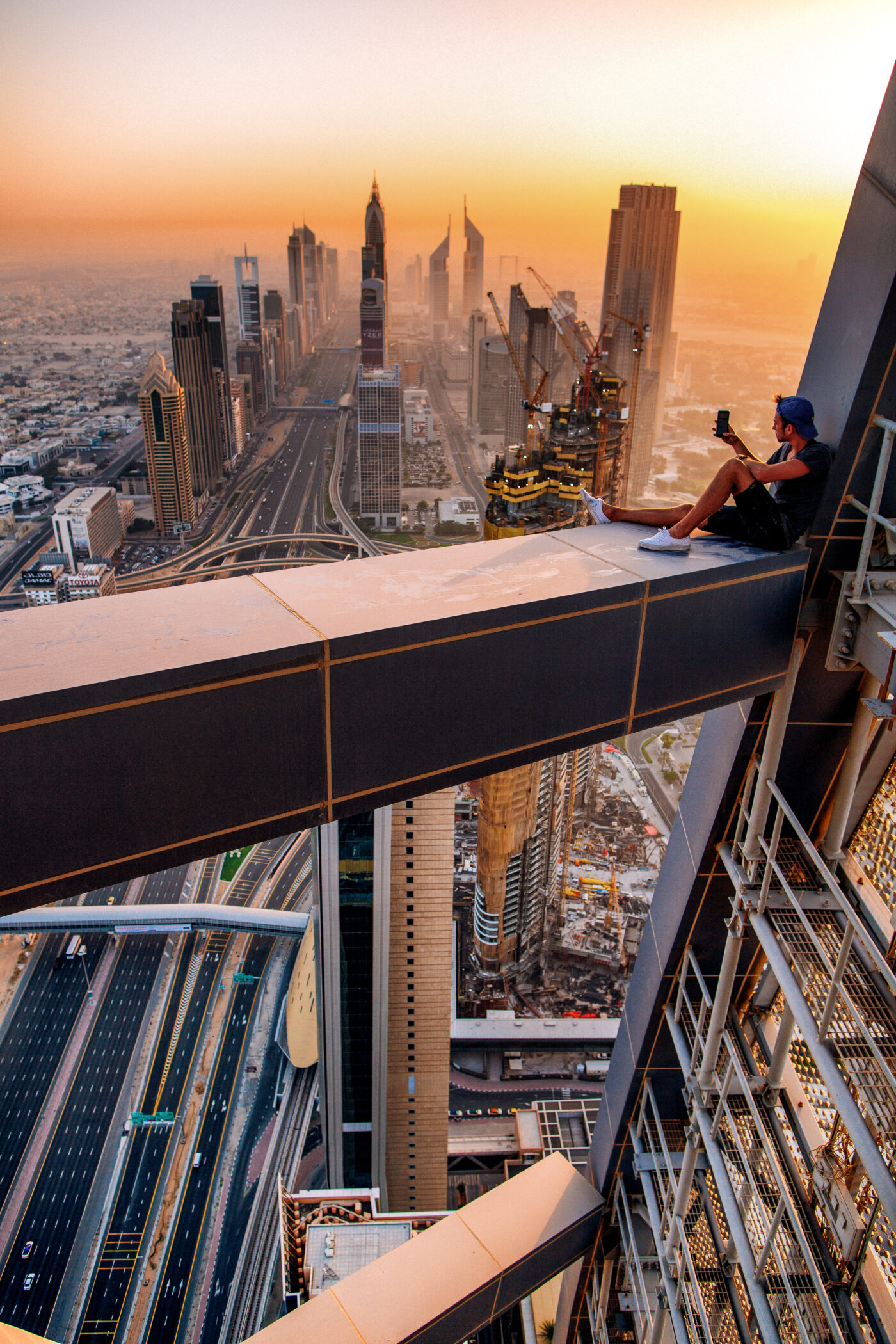
If you imagine the travel campaign of the future, what does it look like – and what platforms, formats or technologies will define it?
"It won't be an ad campaign with bursts of activity with a traditional package of a TV ad and some 'secondary' amplification or reach driving media – which is sadly often where social media is still wrongly bucketed. It will be more of a 360, always-on communication system which shows a deeper understanding of audiences, where they are active, what they are searching for, and what they expect.
"For example, a cinematic centrepiece film surrounded by owned media and social content in multiple formats across all relevant platforms which includes local voices, creator-led films, inspirational, educational and informative content layers and personalisation powered by AI. It lives across platforms and keeps evolving rather than launching and disappearing – because there is a constant need to be serving the right content at the right time and on demand.
"And with search moving away from Google and into social platforms and AI, destinations need to be ready to serve high quality, relevant content no matter the platform – quality content will always be far more compelling and inspiring than a list of links. This is the defining change that is happening right now, and it is crucial for marketeers to build this into their plans.
"That's how we already work at BD Academy. We deliver exceptionally high-quality films that excel both for campaigns and evergreen content, alongside broad libraries of content built for each platform and format to ensure every requirement is covered."
With attention spans shrinking and content formats fragmenting, what storytelling techniques will be most effective in influencing bookings in 2030?
"Attention spans have become notoriously short, but when something genuinely moves you, you engage, stay and keep watching. That hasn't changed. We are actually seeing a return to longform content – with the platforms leaning into and enabling longer videos. This is because audiences have started to look for more authentic, in-depth, and meaningful experiences from the content they view.
"So, the key is to cover your bases and use the different formats and time lengths to your advantage – understanding that they serve different purposes. We teach creators to master two gears. First, the instant hook: movement, sound design, energy, something that stops the scroll. Then, depth. Story arc, visual language, something worth staying for. That works whether you've got six seconds or six minutes."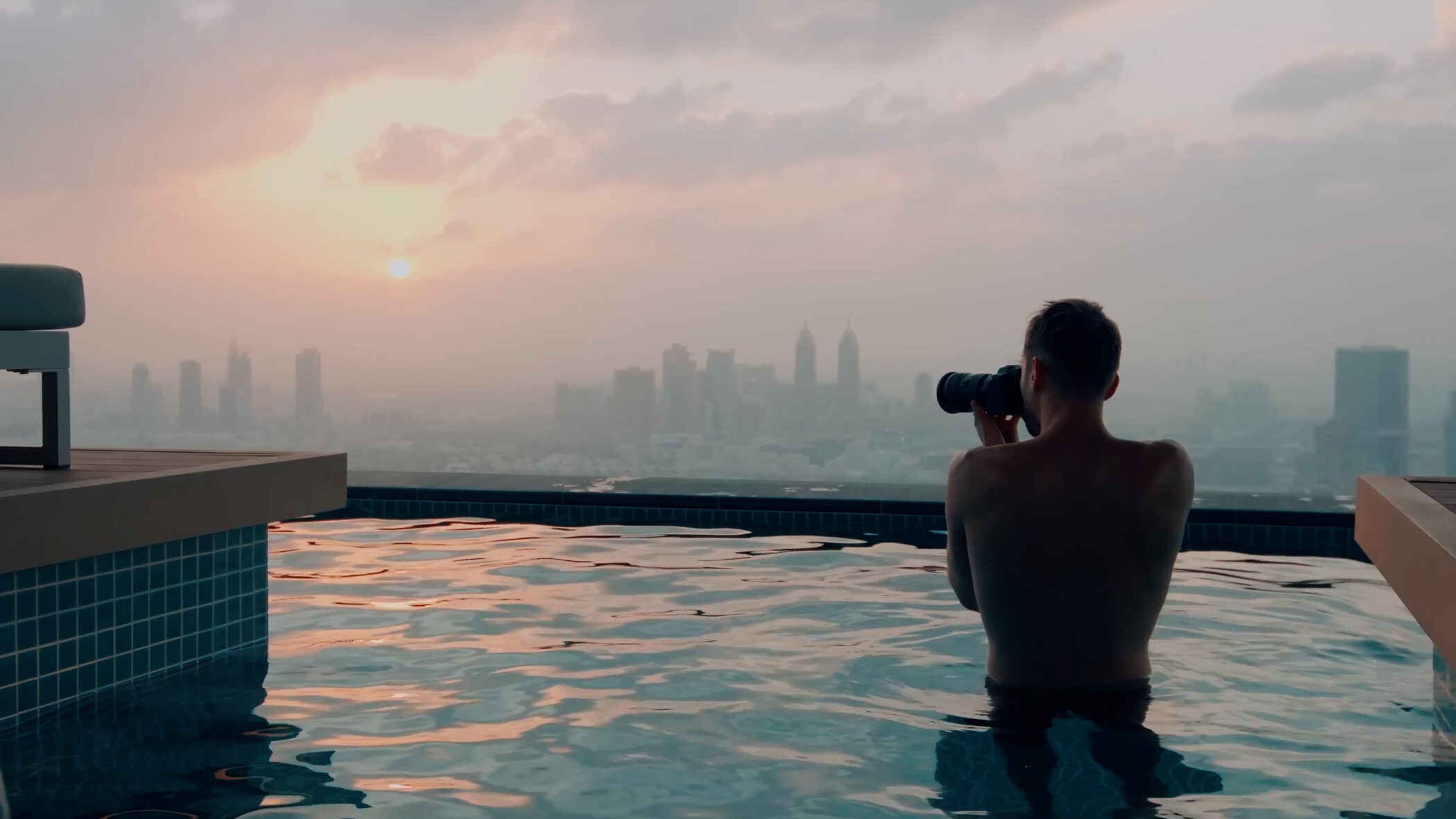
Sustainability is no longer a niche message – how can creators move beyond tokenism and genuinely accelerate a shift toward more responsible travel?
"For us, sustainability isn’t a marketing message. It has to be lived. We firmly believe that means positively impacting the lives of the people in the destinations we visit and promote. So, our staff, creators and shoot crews model the behaviour. Choosing local guides and experts, featuring community businesses, sourcing local props, talent and equipment, showing genuine respect for culture in how people actually live rather than just what might look good in a post.
"At the BD Academy, that's also baked into the training. Travel and tourism should be a force for good, with huge benefits for the destination country, and we are very aware that our creators have a real responsibility here."
How do you see the role of the travel creator evolving as tourism boards and brands invest more in long-term community building rather than short-term campaigns?
"Creators are moving from being content suppliers to genuine long-term partners because of their real understanding of the places they visit to film. Brands and destinations don't want that one viral post anymore. They need ongoing storytelling and real connection with both destinations and audiences over time.
"When we set out to develop the BD Academy with Dubai Department of Economy and Tourism (DET), it was important for us to empower our cohorts to not just be content creators but storytellers. So, the business and creators who will thrive are the ones who build communities themselves – both as creative professionals and within the places they visit. Because they are the best at representing destinations with integrity – they do not just fly in, get the shot, and leave. At the BD Academy, we prepare creators for exactly that. It is a 3-month cultural immersion as much as a training programme."
What innovations in destination marketing are you most excited about right now – and which platforms or tech players should the industry watch?
"I'm excited by anything that helps people travel better, not just more. AI-powered planning tools, immersive previews that let you experience a destination, hotel or resort before booking, platforms that showcase local voices rather than just chasing reach.
"With the shift away from mass broadcast towards the more personal and authentic, the platforms and tools that bring those to the forefront really excite me. In some instances, these are the familiar platforms, particularly Instagram and TikTok, but there are so many new technology players entering the market at the moment. It is a really exciting time for the industry.
"I also love the pace of innovation. From the creative point of view, you look at something like the Meta partnership with Ray-Ban and Oakley and a new approach to content creation is opening up - one that ties perfectly with the need to be authentic and see the world through the creators' eyes. Our BD Academy creators have had the chance to work with the new glasses and were so impressed, so I can’t wait to see how they open up creative opportunities for our team."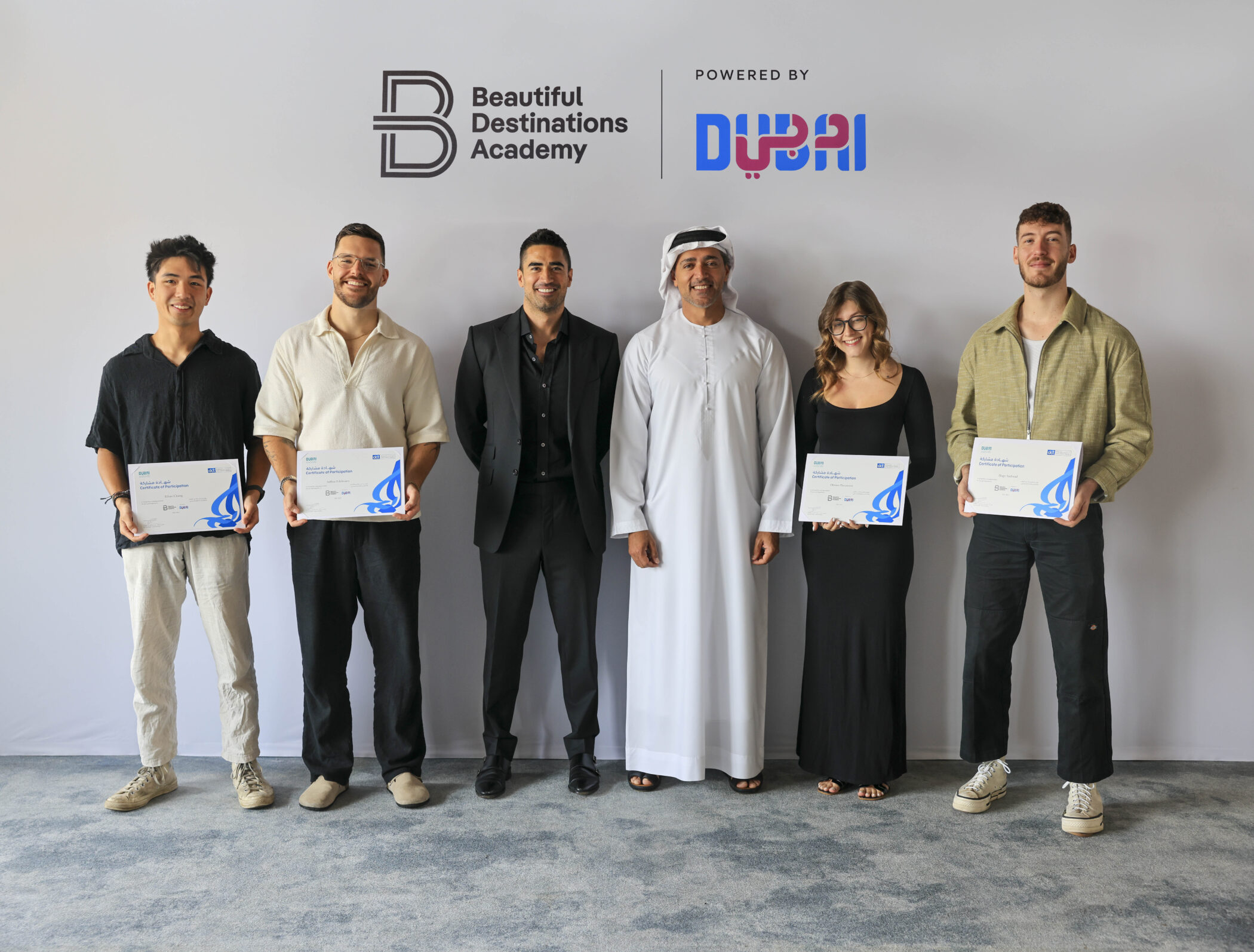
In a world where AI can produce content in seconds, what does premium human creativity look like, and how do creators future-proof their value?
"Of course, AI can generate at speed, and we have fully adopted it into our workflows to drive speed and efficiency – not just in content creation but across the company. But what AI can't replicate or replace is artistic instinct, lived experience and cultural sensitivity.
"So, for us AI speeds up, for example, selecting the right image from the library, edit development, image enhancement, effects creation, creating transcripts and titles, and developing production plans. But the human eye leads the shoot, and the on the ground experience determines the story.
"The creators who'll thrive, and who are already thriving, are those who maximise use of the AI tools at their disposal for efficiency and innovation but also retain a clear creative point of view and the highest standards of creative excellence whilst being driven by cultural integrity. They understand why a story works and why it connects, not just what's trending."
What do destinations constantly misunderstand about tomorrow's traveller – and what shift must they make to stay relevant?
"I believe that many destinations still think in traditional marketing campaigns and cycles. It is the established order, expertise, or comfort zone. But that model just isn’t relevant for tomorrow’s traveller - and many of today’s travellers. You need to meet your audiences on their terms and provide what they are looking for if you want to connect with them in the ways that inspire them to travel.
"Our partnership with Dubai is a strong case study for this shift. Dubai isn’t presented as a single story or a one-dimensional destination – it's layered, constantly evolving, and deeply human. That’s why our curriculum combines content creation techniques with storytelling theory and cultural immersion - to create content that connects with audiences in a meaningful way.
"And too many destinations still think in terms of 'visitors'. People who turn up, spend some time and money, and head home. Yes of course, they still need flights, hotels, activities, restaurants, etc. But thinking of travellers as a somewhat homogeneous group of people looking for fundamentally the same things, only really differentiated by budget is blinkered.
"Because the next generation wants more than that. They're asking things like: Who can I be here? What might I learn? What is this destination really like? How will it feel? How do I get off the beaten track? What makes this unique? How can this trip really benefit me? What will I take away from this experience?
"So, destinations need to stop broadcasting codified brand positionings at people and actually invite them in. Or, in other words, stop pushing an interruptive message and start pulling in audiences by providing the content they are searching for and actually want to see."
Looking five to ten years ahead, what role will immersive education, personal growth, or transformation play in travel decisions?
"This will have a huge role. Travel is one of the most powerful personal development experiences there is, and today’s travellers are looking for deeper, more personal and cultural experiences. People are increasingly traveling to learn, for wellbeing experiences, to reconnect with nature, or to have a truly personal experience. Where you go matters, but what you receive from your travel increasingly matters more."